

Here in the Katy and Houston area, our HVAC systems work overtime. Summers are brutal, winters can surprise you, and the shoulder seasons go by in a blink. If you’re not staying on top of maintenance, it’s easy for small issues to become expensive problems.
This is a practical, no-fluff seasonal checklist — things you can do yourself and things worth calling a professional for. Bookmark it, work through it each season, and your system will thank you with lower bills and fewer emergency calls.
Spring: Get Ready for AC Season
Spring is your window to prepare before the heavy cooling season hits. Once summer arrives in full force, HVAC companies get backed up fast — so getting ahead of it in March or April is smart.
- Replace your air filter. If you haven’t changed it since fall, do it now. A clean filter going into cooling season makes a real difference in efficiency.
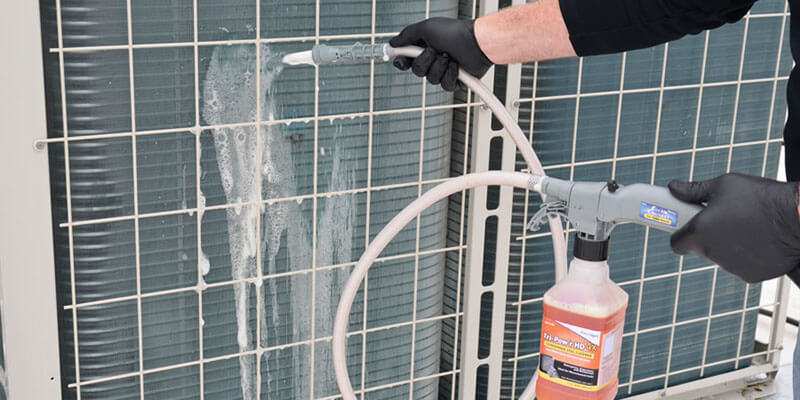
- Clean your outdoor AC unit. Clear away any debris — leaves, dirt, grass clippings — that accumulated over the winter. Gently rinse the coil fins with a garden hose. Make sure there’s at least two feet of clearance around the unit.
- Test the system before you need it. Run the AC for a cycle on a mild spring day. Listen for unusual sounds, check that air is coming out of all vents, and make sure it’s reaching the set temperature. Much better to discover a problem in April than in July.
- Check your vents and registers. Walk through the house and make sure all supply and return vents are open and unobstructed. Furniture rearranged over winter sometimes ends up blocking a vent without anyone noticing.
- Schedule a professional AC tune-up. A technician will check refrigerant levels, clean the evaporator coil, inspect electrical connections, and check the condensate drain line — all things that keep the system running efficiently when the heat peaks.
Summer: Stay on Top of It
Summer isn’t the time for big maintenance projects — it’s the time to monitor and respond. Your system is running hard and you want to catch small problems before they become big ones.
- Check your air filter every month. In peak cooling season with the system running constantly, filters can clog in four to six weeks — especially in homes with pets. A clogged filter in July is a fast track to a frozen evaporator coil.
- Keep an eye on your condensate drain line. In humid Houston summers, the drain line can clog with algae. If you notice water around your air handler or your system shuts off unexpectedly, a clogged drain is often the culprit. You can flush it with diluted bleach to keep it clear.
- Monitor your energy bills. A sudden spike without a change in usage habits is a sign something in the system is struggling. Don’t ignore it.
- Keep blinds and curtains closed during peak afternoon heat. This reduces the cooling load on your system and helps it maintain temperature without working as hard.
Fall: Prepare for Heating Season
Fall is arguably the most important season for HVAC maintenance. You have a narrow window between the end of cooling season and the start of heating season — use it.
- Replace your air filter again. After a full summer of heavy use, your filter is overdue. Fresh filter going into fall = better efficiency for heating season.
- Test your heating system. Run the heat for a cycle before temperatures drop. Listen for unusual sounds, check for any burning smells (some dust burning off the heat exchanger is normal the first time, but it should pass quickly), and make sure heat is coming from all vents.
- Schedule your annual professional inspection. Most HVAC professionals recommend a tune-up twice a year — once before cooling season in spring, once before heating season in fall. The fall visit covers your furnace or heat pump, checks the heat exchanger for cracks, and ensures the system is safe to run through winter.
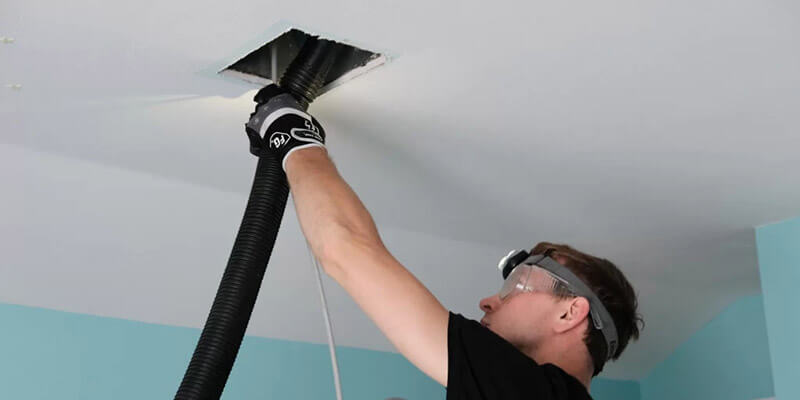
- Consider a duct inspection. If it’s been 3–5 years since your last professional duct cleaning, fall is a great time to schedule it. You’ll head into winter with clean air distribution and a fresh start.
- Check weatherstripping and insulation. Conditioned air that escapes through gaps around doors and windows makes your HVAC system work harder. A quick walk-around to identify and seal gaps goes a long way.
Winter: Light Maintenance, Stay Alert
Winters in the Katy area are generally mild, but we do get cold snaps that can catch homeowners off guard. A little preparation goes a long way.
- Keep your thermostat at a consistent temperature. Letting the house get very cold and then demanding a fast warm-up puts a lot of strain on the system. A steady set point is kinder to the equipment and more energy-efficient.
- Check filters monthly. Even in winter, filters collect debris and need attention.
- Keep exterior vents clear of debris. After storms, make sure nothing is blocking exhaust or intake vents on the exterior of your home.
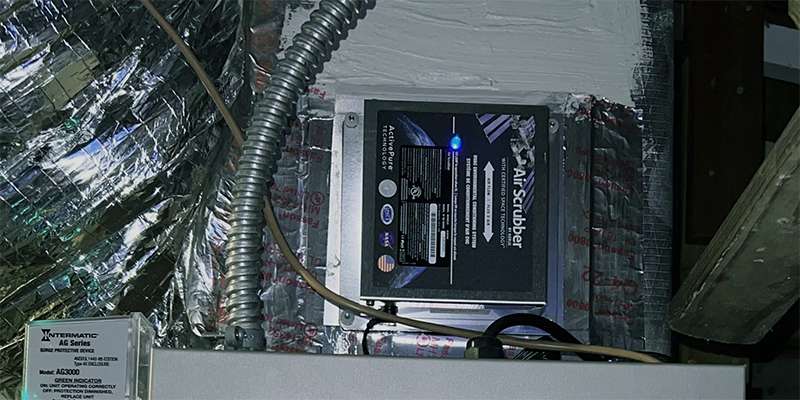
- Use winter for indoor air quality upgrades. Homes are closed up tightly in winter, which means indoor air quality is at its most concentrated. If you’ve been thinking about a UV air purifier, a whole-home humidifier, or air duct sanitizing, winter is a great time to consider those investments.
The Bottom Line on Seasonal Maintenance
Most HVAC breakdowns and air quality problems are preventable. They happen because systems run for years without any attention until something fails. A consistent seasonal routine — filter changes, professional tune-ups, and periodic duct cleaning — catches small problems early and keeps your system running at its best for years longer than a neglected one.
It doesn’t have to be complicated. Follow this checklist, stay consistent, and your home’s air will be cleaner and your energy bills will reflect it.
Need help with any of these seasonal tasks? Our team serves homeowners throughout Katy, TX and the greater Houston area. Reach out anytime — we’re happy to help you keep your system in top shape, season after season.