

Home » How to Get Water Out of Carpet: Simple & Effective Steps
How to Get Water Out of Carpet: Simple & Effective Steps
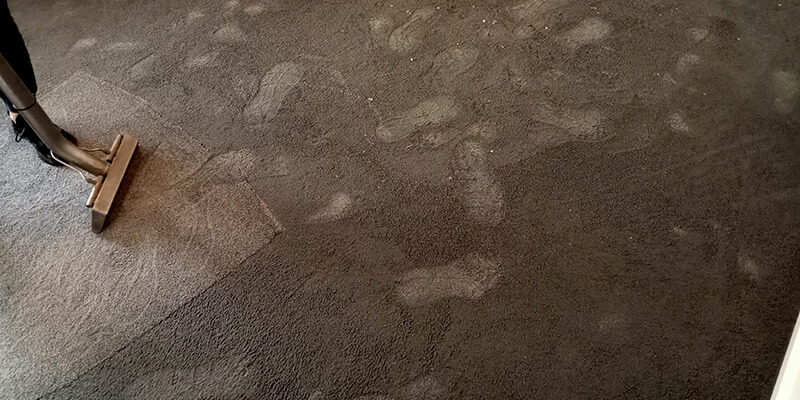

Discovering your carpet soaked in water can be a nightmare for any homeowner. Whether it’s a spilled glass of water or a major leak, the key is to act fast to prevent lasting damage. Here’s a straightforward guide on how to efficiently get water out of your carpet, ensuring it remains in pristine condition.
Immediate Actions
First and foremost, identify and stop the source of the water. This might involve turning off the main water supply if you’re dealing with a burst pipe.
First and foremost, identify and stop the source of the water. This might involve turning off the main water supply if you’re dealing with a burst pipe.
Drying the Carpet
Drying a wet carpet correctly is crucial to prevent damage and mold. Here’s a simple three-step method to do it:
Following these steps will help you dry your carpet efficiently and maintain its condition.
Advanced Drying Techniques
For deeper water penetration, it might be necessary to lift the carpet. This allows you to dry the underpadding, which is crucial to prevent mold growth.
In some cases, replacing the water-soaked padding is more cost-effective and healthier than attempting to dry it out.
Prevention and Maintenance
Quick Tips for Water Extraction from Carpet
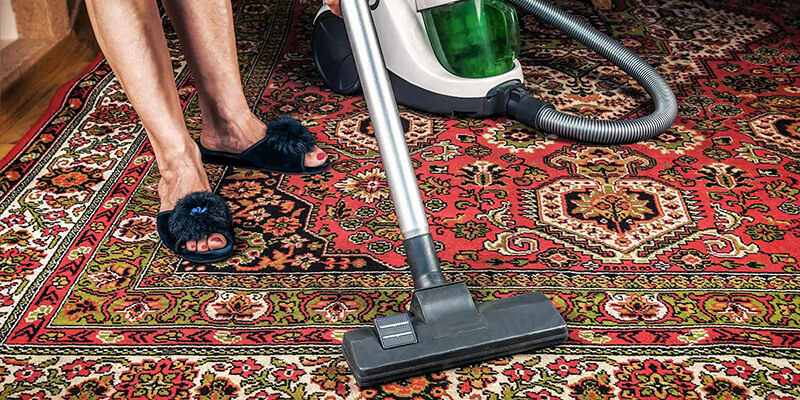
Choose United Air Duct Cleaning And Restoration Services
In Katy, TX, and facing water damage on your carpet? United Air Duct Cleaning And Restoration Services is your go-to expert. With years of experience, we specialize in quickly and effectively removing water from carpets, ensuring they’re fully restored to their original condition. Trust us to handle your carpet with care, offering solutions that bring peace of mind.
FAQs
Q: How quickly should I act if my carpet gets wet?
A: Act immediately. The faster you remove the water and start the drying process, the better the chances of preventing mold growth and damage to the carpet fibers.
Q: Can I dry a water-soaked carpet myself?
A: Yes, for small areas, you can use towels, a wet/dry vacuum, fans, and a dehumidifier to dry the carpet. However, for large areas or severe water damage, it’s best to call professionals.
Q: Is it necessary to replace the padding under my carpet after a flood?
A: Often, yes. Water-damaged padding can become a breeding ground for mold and mildew, affecting air quality and carpet integrity.
This guide provides a comprehensive approach to tackling water damage on your carpet. By following these steps and considering professional assistance when necessary, you can ensure your carpet remains in excellent condition, contributing to a healthy and appealing home environment.